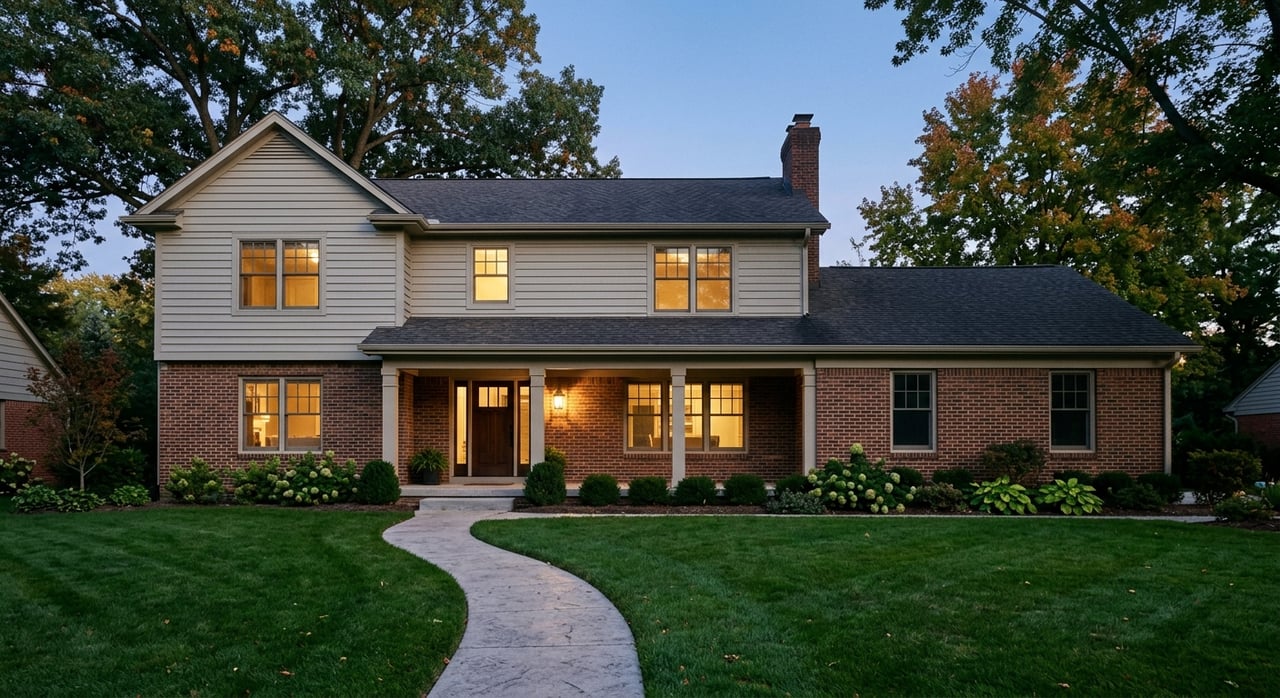
If you are home shopping in Hickory, one of the first surprises is how much your daily routine can change from one area to the next. A home near downtown can feel very different from one near a major corridor or in an older tree-lined district. When you understand Hickory’s neighborhood styles, you can narrow your search faster and focus on the kind of home that truly fits the way you live. Let’s dive in.
Why neighborhood style matters in Hickory
Hickory is a mid-sized city with about 45,975 residents, and the local housing picture offers a mix of options rather than one single type of market. The American Community Survey reports a 55.0% owner-occupied rate, a median owner-occupied home value of $278,400, and a median gross rent of $1,063. For you as a buyer, that points to a city with both entry-level and move-up possibilities.
Just as important, Hickory’s layout is shaped by major transportation routes. I-40, U.S. 321, U.S. 70, and NC 127 cross or border the city, and those roads influence traffic flow, access, and even the feel of nearby blocks. In Hickory, choosing a neighborhood is often about more than the house itself.
Walkable living near downtown
If you want shorter trips, easy access to local businesses, and a more connected feel, the city-center lifestyle may be the best fit. Downtown Hickory is the city’s central business district, with retail shops, restaurants, professional offices, corporate headquarters, and entertainment venues in a park-like setting. The Downtown Social District, established in 2022, also adds to the area’s activity and appeal.
Trail access is a major part of this lifestyle. Hickory Trail includes the City Walk, Riverwalk, Aviation Walk, Historic Ridgeview Walk, and OLLE Art Walk, with several of those routes already open for public use. The Historic Ridgeview Walk helps connect downtown, the Ridgeview community, and U.S. 70, which gives the core a more pedestrian-friendly feel.
This style can work well if you value convenience and access over a large yard. It may also appeal to buyers who like being close to events, dining, and daily destinations. If this sounds like you, pay close attention to parking, traffic patterns, and how often you expect to walk versus drive.
Historic neighborhoods with character
Some buyers want charm that newer subdivisions cannot easily match. Hickory has several established neighborhoods with older homes, mature trees, and street patterns shaped by late-19th- and early-20th-century growth. These areas often appeal to buyers who appreciate architectural variety and a more rooted residential feel.
Oakwood/Hillcrest and Claremont
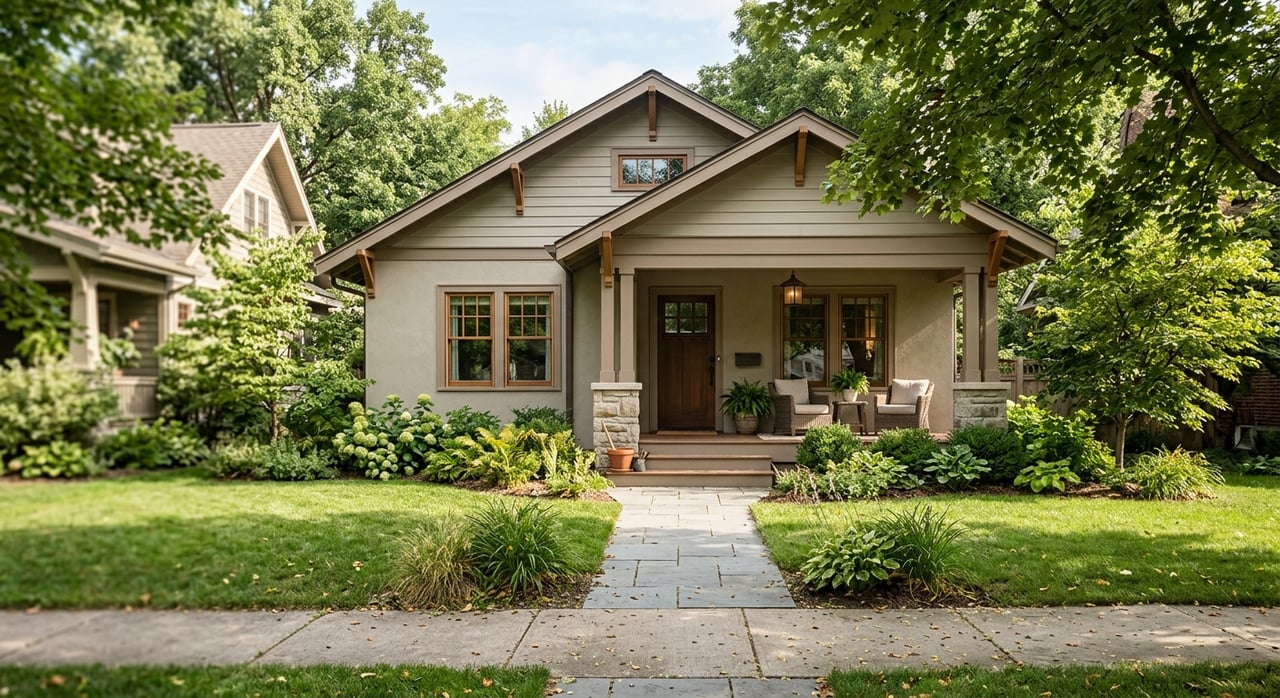
Oakwood/Hillcrest began developing in the 1880s and 1890s, and the city identifies architectural styles there such as Queen Anne, Shingle, Colonial Revival, Spanish Mission Revival, Tudor Revival, and Bungalow. The city also notes the neighborhood’s large shady lots, which can be a major draw if you want outdoor space in an established setting.
Claremont is another historic area near the central business district. It includes late-19th- and early-20th-century homes, along with a mix of single-family and multi-family housing. The neighborhood is also close to the SALT Block, McComb Park, Ivey Arboretum, and Lenoir-Rhyne University.
Green Park and Kenworth
Green Park is one of Hickory’s oldest neighborhoods. The city describes it as a traditional development neighborhood with mature trees, sidewalks, a variety of housing types and architectural styles, and affordable housing that often appeals to first-time buyers.
Kenworth, Hickory’s first planned subdivision, adds another layer to the historic mix. It includes affordable multi-family units, duplexes, single-family homes, and historic houses. If you want an older neighborhood with several housing formats, this type of area may be worth a closer look.
What to ask in historic areas
Older neighborhoods can offer real personality, but they also come with practical questions. Before you move forward, ask about:
- The age and condition of major systems
- Renovation work already completed
- Parking layout and driveway access
- Lot shape and usable outdoor space
- Whether the property is in a locally designated historic district
That last point matters in Hickory. The city notes that National Register status is mainly honorary, while local historic designation is what gives the Historic Preservation Commission design review authority. If you hope to make visible exterior changes later, that distinction is important.
Mixed-use neighborhoods and corridor convenience
Not every buyer wants a quiet, tucked-away block. Some areas of Hickory offer a practical tradeoff, with easier road access and nearby services, but also more activity around you. These neighborhoods can be a smart match if convenience is one of your top priorities.
West Hickory/Westmont is one example. The city describes it as an ever-evolving area with seven pockets of residential land mixed with commercial and industrial activity, and it notes that U.S. 321 and U.S. 70 SW bisect the neighborhood. Housing there includes single-family residences, multi-family complexes, and mobile homes.
Ridgeview also reflects a broader mix of uses. The city describes the area as having single-family homes, duplexes, multi-family housing, libraries, recreation centers, public housing, churches, and businesses, with boundaries influenced by NC 127, U.S. 70, 4th Street SW, and 2nd Avenue SE.
Highland is centrally located and still predominantly residential, but the city notes small industrial uses and larger industrial and commercial edges in its setting. For some buyers, that central location can be a plus. For others, it may mean paying closer attention to block-by-block differences.
Postwar neighborhoods with park access
If your ideal home search includes a more conventional residential feel, Hickory also has neighborhoods shaped by postwar growth. These areas often offer a different housing mix than the historic core, along with easier access to parks and recreation.
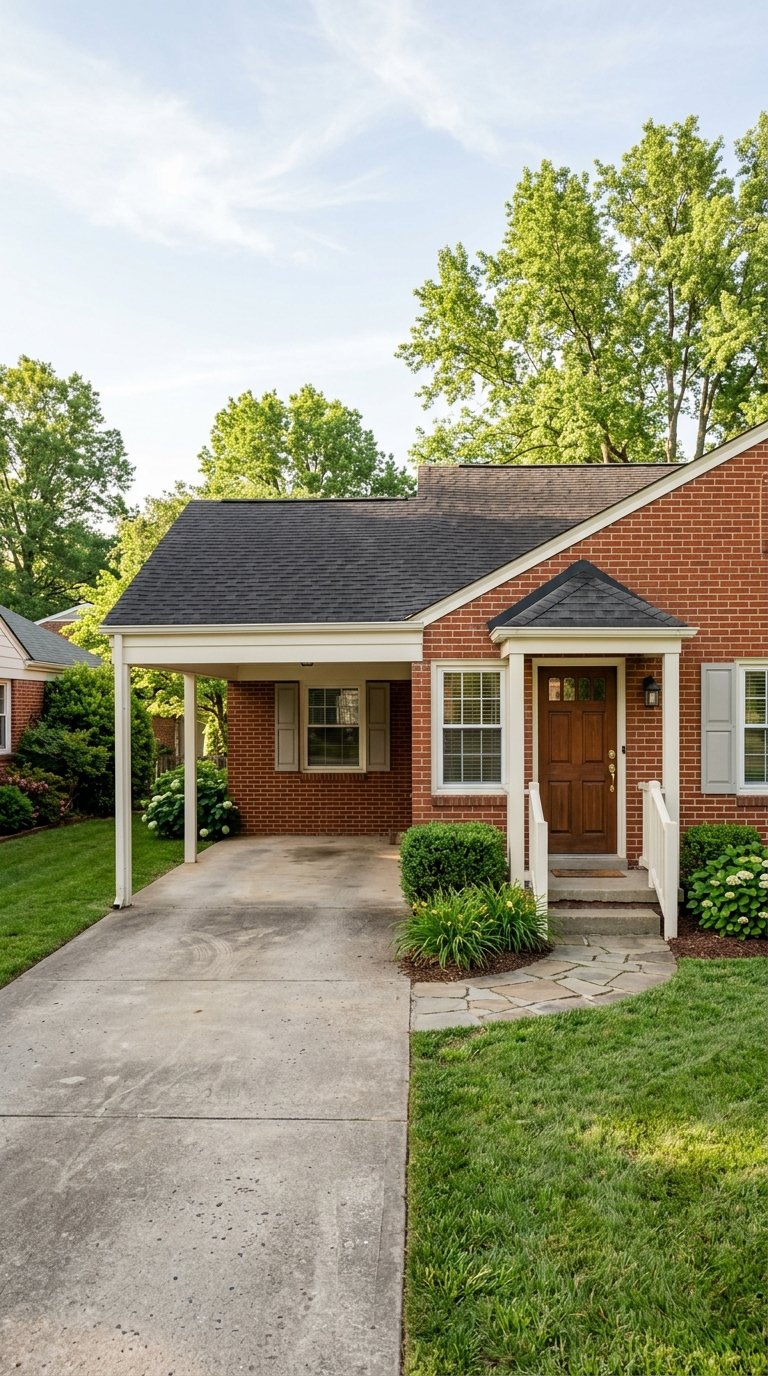
Forest Hills is a strong example. The city says it was developed to help address the housing shortage after World War II, was platted in 1946 and expanded in 1948, and now includes modest-size traditional frame dwellings as well as larger ranch and split-level houses.
Forest Hills also stands out for recreation access. The neighborhood has direct access to Jaycee Park, Miracle of Hickory Park, and Hickory City Park. If regular park use matters to you, that kind of location can shape your day-to-day quality of life more than you might expect.
Highland can also fit buyers looking for a centrally located residential option. The city notes its access to parks and recreation facilities, downtown, shopping, restaurants, services, Lenoir-Rhyne University, and schools. That mix can appeal to buyers who want to stay well connected without choosing a fully downtown setting.
How roads shape your experience
In Hickory, road access is often one of the biggest lifestyle factors to weigh. Major routes like I-40, U.S. 321, U.S. 70, and NC 127 influence commute times, convenience, and traffic exposure across the city. The railroad also affects the feel of some areas.
This means two homes with similar square footage can offer very different day-to-day experiences. One may give you easier highway access and short drives to errands, while another may feel quieter but add more travel time. It is worth asking not just how far the home is from a major road, but how directly the property connects to one.
When you tour a home, think beyond the front door. Consider whether the block feels buffered from busy corridors or sits right along a connector route. That detail can make a big difference in how a neighborhood feels once you actually live there.
Parks, trails, and getting around
Lifestyle matching in Hickory is also about what you can reach without a long drive. The city’s trail system connects downtown to multiple districts, and parks are spread throughout the city, including McComb Park, Jaycee Park, Miracle of Hickory Park, Rotary-Geitner Park, West Hickory Park, Westmont Recreation Park, and Hickory City Park.
Public transportation may also matter depending on your routine. Greenway Public Transportation serves Hickory, Newton, and Conover on fixed routes Monday through Saturday, and it also offers demand-response service by appointment across Catawba, Burke, Alexander, and Caldwell counties. Some buyers may still be strongly car-dependent, but others may find more flexibility than they expected.
As you compare neighborhoods, ask yourself a simple question: are nearby trails, parks, and transit options things you would use every week, or just nice extras on paper? Your answer can help you spot the right neighborhood style much faster.
A simple way to match style to lifestyle
If you are trying to narrow your search, it helps to think in terms of daily habits. Here is a simple way to frame it:
- Choose downtown or trail-connected areas if you want short trips, walkability, and an urban feel
- Choose historic neighborhoods if you value character, mature trees, and older architecture
- Choose corridor-adjacent areas if you want quicker road access and are comfortable with more nearby activity
- Choose postwar residential areas if you prefer a more traditional neighborhood feel with strong park access
No one style is better than another. The right choice depends on how you want to live, what type of home you prefer, and how much weight you give to access, yard size, age of home, and surrounding activity.
Questions to ask before you buy
Before choosing a Hickory neighborhood, keep these practical questions in mind:
- How close is the home to I-40, U.S. 321, U.S. 70, NC 127, or the railroad?
- Does the area feel more walkable, historic, mixed-use, or postwar residential?
- Are parks, trails, downtown destinations, or other daily-use amenities nearby?
- Is the property in a local historic district, a National Register district, or neither?
- Are there nearby streetscape, trail, or corridor improvement projects that could affect access over time?
A little extra neighborhood research now can help you avoid surprises later. It can also help you focus on homes that fit both your budget and your routine.
Finding the right home in Hickory is not just about square footage or price. It is about choosing a setting that supports the way you want to live every day. If you want local guidance as you compare neighborhoods in Hickory and nearby communities, Michelle Hartness offers the kind of personal, one-on-one support that can make your search feel clearer and more manageable.
FAQs
What are the main neighborhood styles in Hickory, NC?
- Hickory buyers will generally find four broad styles: walkable downtown areas, historic residential neighborhoods, mixed-use corridor-adjacent areas, and postwar residential neighborhoods with park access.
What is downtown living like in Hickory, NC?
- Downtown Hickory offers a more walkable, amenity-rich setting with shops, restaurants, entertainment venues, and access to parts of the Hickory Trail system.
Which Hickory neighborhoods have historic homes?
- Oakwood/Hillcrest, Claremont, Green Park, and Kenworth are among the areas the city identifies for older housing stock, established street patterns, and architectural variety.
Why do major roads matter when choosing a Hickory home?
- Roads like I-40, U.S. 321, U.S. 70, and NC 127 can affect drive times, convenience, noise levels, and the overall feel of a property’s location.
What should buyers know about historic district rules in Hickory?
- In Hickory, National Register status is mainly honorary, while local historic designation is the factor that can trigger Historic Preservation Commission design review for visible exterior changes.
Are there Hickory neighborhoods with strong park and trail access?
- Yes. Downtown-adjacent areas benefit from trail connections, and neighborhoods like Forest Hills have direct access to parks such as Jaycee Park, Miracle of Hickory Park, and Hickory City Park.